Sustainable Fishing & Protection of Endangered Species
09/01/2026 09:59:06Sustainable Fishing & Protection of Endangered Species
January 2026 / Issue #009
9 Jan 2026
Sustainable fishing may sound like a policy term, but in Indonesia it’s really a dinner-table question: will the sea still feed our families ten years from now?
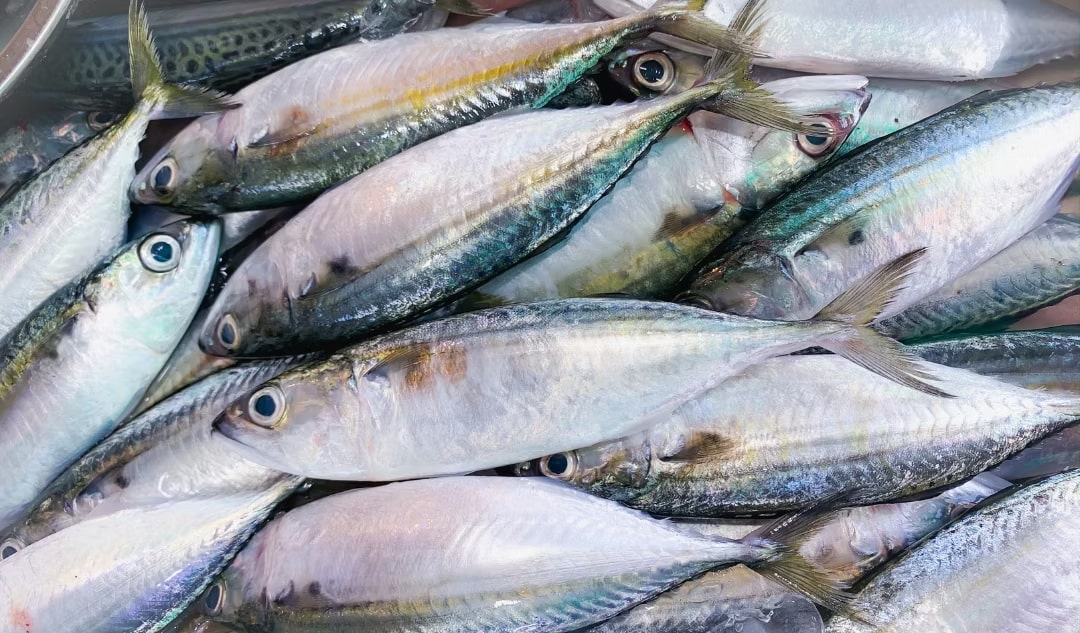
From tuna waters to village reefs, fish stocks are squeezed by overfishing, climate shifts, and illegal catch. At the same time, charismatic species - whale sharks, manta rays, turtles, dugongs, and many sharks and rays - are protected yet still vulnerable to bycatch and trade. This edition explores how sustainable harvest and species protection must move together, and why Bali Ocean Days 2026 is placing this issue at the heart of regional ocean action right now.
Picture sustainable fishing like a savings account: you can withdraw, but only at the rate the ocean can replenish. Globally, SDG 14.4 asks countries to keep fish stocks within safe biological limits, meaning catches should be based on science, not on short-term demand. In Indonesia this is showing up in quota systems, better monitoring at sea, and traceability that lets markets know where seafood came from. When rules are clear and data is transparent, honest fishers win, illegal operators lose, and consumers get seafood they can trust. Healthy stocks also underpin coastal jobs, culinary tourism, and the everyday protein that millions rely on.
But sustainability isn’t only about the fish we target. It’s also about who gets caught along the way. Many species in our waters are classed as endangered, threatened, or protected. A single trawl or dredge can damage seabeds, sweep up juvenile fish, and trap turtles, rays, or sharks that take years to reproduce. That’s why the most effective solutions always mix policy, technology, and community practice.
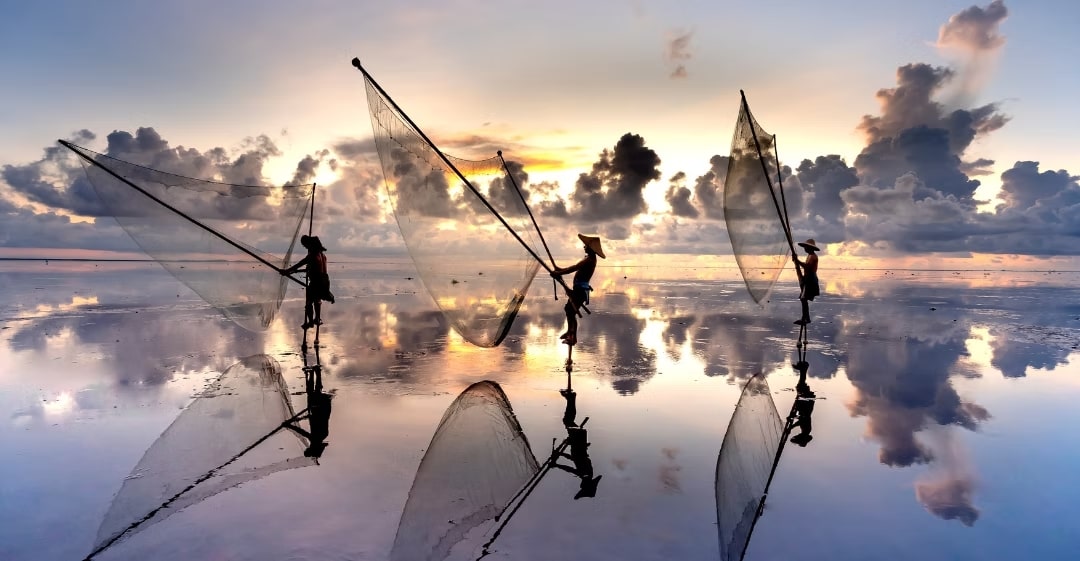
Three approaches keep proving their value. First, selective and low-impact gear - methods that catch the right fish without scraping habitats or hooking everything else. Second, well-managed marine protected areas that safeguard spawning grounds and let nature rebuild, creating spillover benefits for nearby fishing zones. Third, community co-management: fishers and coastal villages help set the rules, patrol the waters, and share in the gains, because no regulation survives without local ownership.
Join Bali Ocean Days, 30–31 January 2026 at InterContinental Jimbaran to learn, debate, and co-design solutions for fair fisheries and safe seas. Because a thriving ocean is the only long-term security for coastal life.
https://megatix.com.au/events/bali-ocean-days-3rd-conference-showcase-2026
Walk the Talk for our Blue Planet
For further information:
Visit the website: https://balioceandays.id
Email: info@balioceandays.id