Ecotourism & Preservation of Coral Reefs and Marine Biodiversity
12/12/2025 13:40:31Ecotourism & Preservation of Coral Reefs and Marine Biodiversity
November 2025 / Issue #004
12 Des 2025
Every great sea journey has a hidden compass. In Bali - and across Indonesia - that compass is the coral reef.
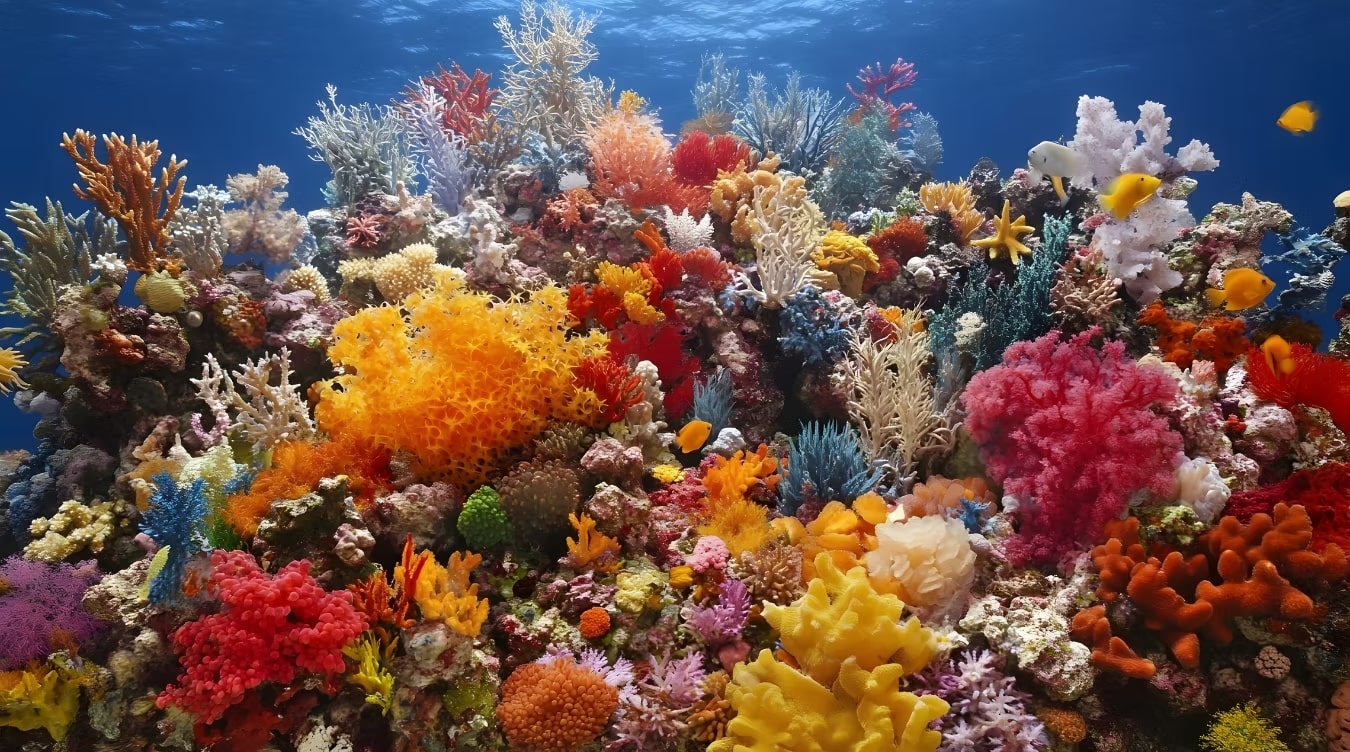
Reefs are not just postcard beauty; they are living cities that feed fisheries, soften storm waves, and keep tourism economies alive. Today, those cities are under pressure from warming seas, pollution, and the wear-and-tear of careless visitation. Bleaching events are becoming more frequent, and recovery windows are getting shorter. The good news is that ecotourism, when done right, can be one of the strongest shields reefs have - turning visitors into allies and tourism into protection, not extraction - if we design it with care and courage.
Ecotourism is often mistaken for “nature tourism.” True ecotourism is a pact with the ocean: we enjoy its wonders, and we actively give back to its life. That give-back must be practical and measurable - shaped by science, local stewardship, and fair benefit sharing.
What does reef-positive ecotourism look like on the ground?
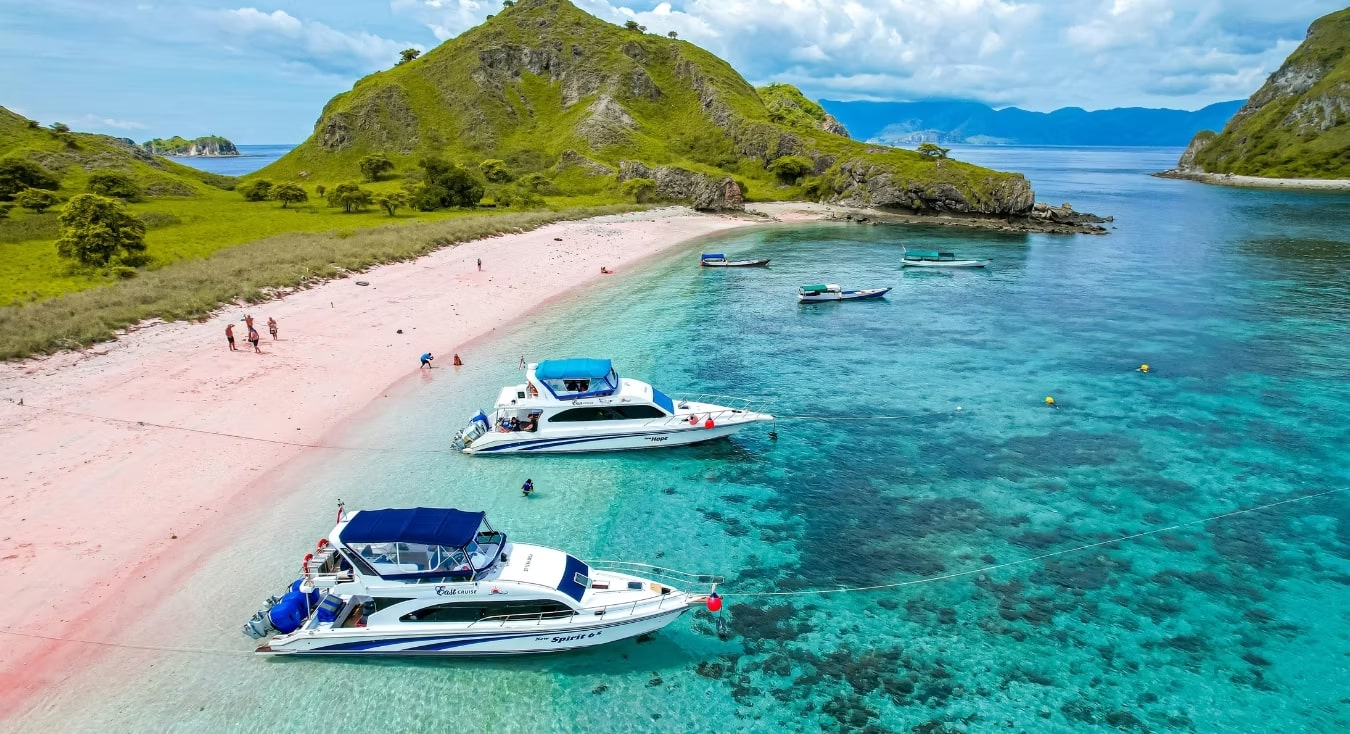
First, reef-safe rules that visitors can actually follow. Think clear snorkel and dive routes, no-anchoring zones with mooring buoys, strict “no touch, no stand” culture, and limits based on carrying capacity. Small behaviors, repeated by thousands of people, decide whether reefs recover or crumble.
Second, education that feels personal, not preachy. Guides who can read the reef like a storybook - explaining how corals grow, why fish nurseries matter, and how one careless fin kick can erase years of growth - turn visitors into allies. When people understand the “why,” they protect the “what.”
Third, tourism money that stays in the water. A transparent portion of tickets, diving fees, or hotel contributions should flow into verified reef protection, waste reduction, and community sea-guardian programs. When livelihoods improve because reefs are healthy, local people become the reef’s most constant defenders.
And yes, ecotourism can also harm reefs when poorly managed - overcrowding, untrained operators, and coastal development that ignores natural limits. Governance, local empowerment, and visitor management are the difference between “eco” as a label and “eco” as a legacy. Done well, ecotourism becomes a promise that reefs will still be here for our children.
Bali Ocean Days 2026 brings reef science, policy, tourism, and community leaders into one room. Join Bali Ocean Days, 30–31 January 2026 at InterContinental Jimbaran, and stand with island leaders & communities shaping ocean resilience together.
https://megatix.com.au/events/bali-ocean-days-3rd-conference-showcase-2026
Walk the Talk for our Blue Planet - For further information:
Visit the website: https://balioceandays.id
Email: info@balioceandays.id