Trends in Ocean Science & Marine Technology
02/01/2026 08:40:26Trends in Ocean Science & Marine Technology
January 2026 / Issue #008
2 Jan 2026
The ocean is still full of mysteries, but the way we explore it is changing fast
Today’s ocean science doesn’t rely only on big ships and long expeditions - new tools are lighter, smarter, and closer to everyday life. From coral reefs in the Coral Triangle to open seas beyond our borders, technology is helping us see what’s happening in real time, not months later. This matters because climate stress, biodiversity loss, and pollution are moving quickly too. The better we understand the ocean, the faster we can protect it, manage it wisely, and keep coastal communities resilient.
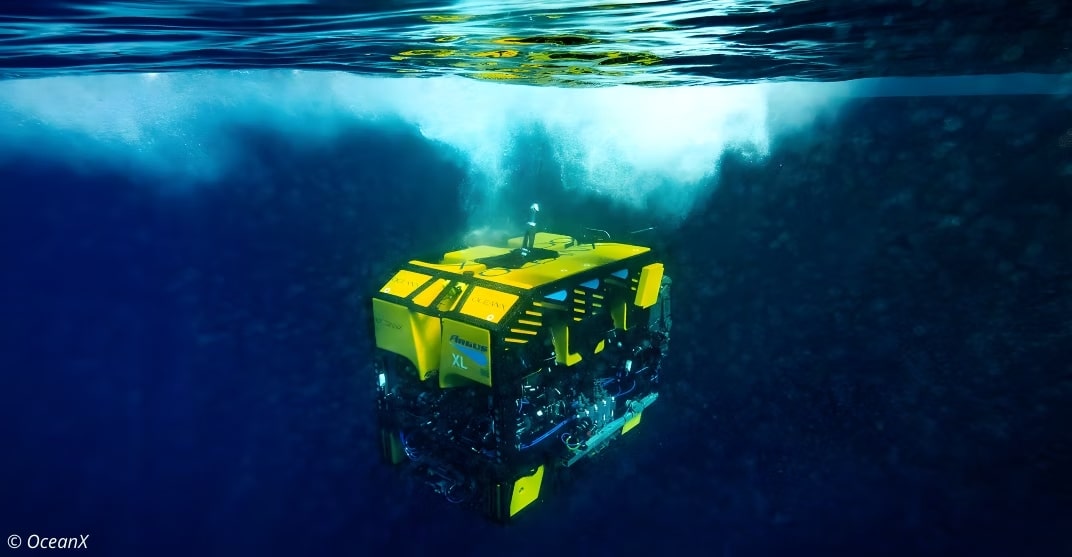
A quiet revolution is unfolding beneath the waves. The first big shift is autonomous observing - robotic gliders, drifting sensors, and uncrewed vessels that can patrol for weeks or months, gathering data on temperature, currents, acidity, and ecosystem health. Think of them as the ocean’s constant “check-up,” boosting early warnings for coral bleaching, storms, and harmful algal blooms. Instead of waiting for a problem to become visible, we can see the signs early and act sooner.
The second shift is AI as a translator, not a buzzword. With machine vision, computers can help identify fish, coral types, and plankton from underwater video. With pattern-finding tools, scientists can spot trends in massive datasets that humans would never detect alone. The result is clearer forecasting: where reefs are most stressed, where fish stocks are shifting, and where protection or restoration will have the biggest payoff.
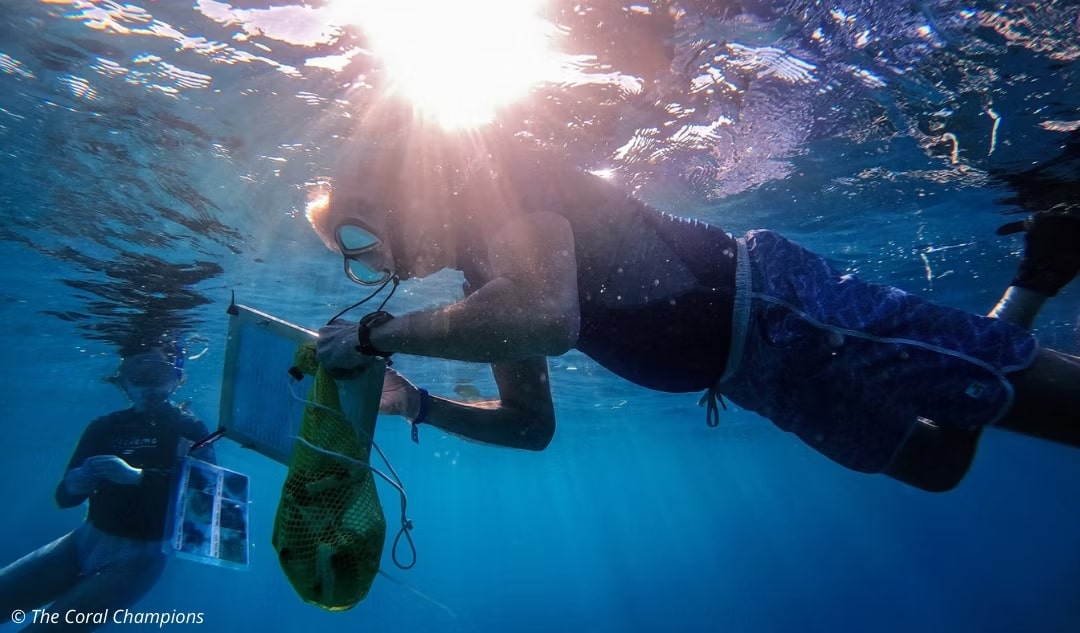
Third, ocean science is becoming more accessible and community-ready. Techniques like environmental DNA allow researchers to “read” biodiversity from a simple water sample. That means schools, local monitoring groups, and community guardians can take part in tracking ocean life without expensive equipment. Science is no longer just something done to communities; it’s something done with them.
Finally, marine technology is turning nature protection into an investable, scalable space. Tools to measure blue carbon in mangroves and seagrass, cleaner marine-energy systems, and circular-economy innovations that stop waste before it reaches the sea are no longer side projects - they’re central to a practical blue future.
Join Bali Ocean Days, 30–31 January 2026 at InterContinental Bali Resort, Jimbaran to meet the minds and tools shaping the next wave of ocean solutions - where science, policy, business, and communities learn from each other, and move faster together.
https://megatix.com.au/events/bali-ocean-days-3rd-conference-showcase-2026
Walk the Talk for our Blue Planet
For further information:
Visit the website: https://balioceandays.id
Email: info@balioceandays.id